

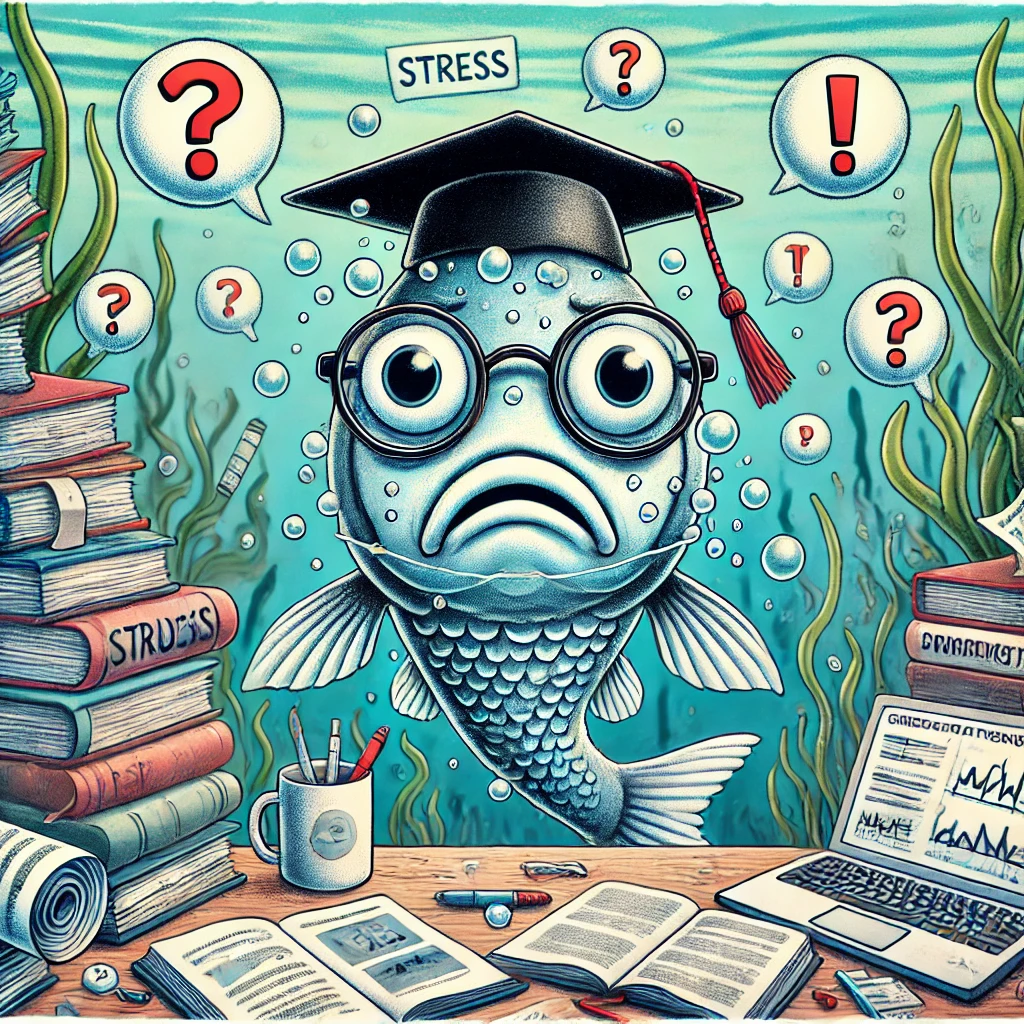
As the end-of-year submission deadline for theses and dissertations approaches, many postgraduate students find themselves balancing stress, excitement, and a ticking clock. I remember this stressful time all too well. Whether you’re in the final stages of writing or polishing up your work, here are a few pointers I found super helpful in navigating this stage with confidence.
Planning is crucial at this stage. You may feel like you’re racing against time, but a detailed timeline for the last few weeks or months will give you control over your progress. Break down and prioritise remaining tasks (finalising results and discussion chapters, editing, proofreading and revising, formatting, completing appendices, references and acknowledgements) into daily or weekly goals. A clear plan lets you focus on manageable goals and reduces overwhelming pressure. Make sure to include time in your planning for getting feedback (from supervisors or peers) and the actual submission process (e.g. getting signatures, printing and binding). These things take longer than you would think.
Keeping yourself mentally and physically healthy is essential because your well-being directly impacts the quality of your work. Take regular breaks to avoid burnout and make sure that you get enough sleep; your brain needs rest to function at its best. Staying hydrated and maintaining a healthy diet also helps to keep your energy levels steady. Practice stress management techniques like meditation, breathing exercises, or yoga; if that’s not your thing, get some form of regular exercise. A brisk 20-minute walk will shake loose the cobwebs and increase your energy levels. Remember, your well-being is as important as your academic success.
Your supervisors, advisers, and peers are invaluable resources during this time. Sharing your draft chapters early and seeking targeted feedback is crucial. Areas to seek advice on include the clarity and coherence of your arguments, gaps in your literature review, consistency between your introduction, hypothesis, results and discussion and the structure and flow of the thesis. While getting timely supervisor feedback can be challenging at this time of year, communicate early to secure time with your supervisor and be assertive in following up if they have not given feedback within the stipulated timeframe. Remember, their feedback is a testament to the quality of your work.
The introduction and conclusion are the two sections that most readers (including examiners) will scrutinise closely. They must be concise, well-organised, and reflective of the entire thesis. Your introduction should clearly state the research question, objectives, and scope, providing solid context and rationale for your work. The conclusion should summarise your main findings, discuss their implications, and outline future research avenues, tying your research back to the original question and offering a sense of closure. Also, don’t neglect your literature review when finalising your thesis. Make sure it reflects the most current studies and trends in your field. Incorporating new and relevant references can strengthen your work’s originality and relevance.
Each institution has specific formatting guidelines for thesis submission, including font size, citation style, margin widths, and heading structures. Most universities provide templates or style guides—use them early to avoid last-minute formatting issues and strictly follow the prescribed format. Pay attention to citation consistency. Many software packages are available to help with this (Zotero, EndNote, Mendeley). Also, double-check that all the required sections (title page, abstract, table of contents, appendices, etc.) are included in the correct order.
Language editing is a crucial step in preparing a thesis or dissertation. Most, if not all, South African institutions require a certificate confirming that the thesis has been language edited by a professional editor. Clear, concise, and grammatically correct writing is essential for effectively communicating your research. Allocating time for thorough language editing in the final stages of your process ensures that your work meets academic standards and presents your ideas professionally. Whether you do the editing yourself or hire a professional, proper planning for this stage is critical to delivering a polished and high-quality submission.
Proofreading (most often just after editing) is critical to catching errors you might not notice during regular writing. Common mistakes include grammatical errors, typos, missing citations, and formatting inconsistencies. Consider hiring a professional proofreader (a language editor often includes this as part of their service package) or asking a colleague to give it a final read. A fresh set of eyes can spot things you may have overlooked.
And finally, don’t leave the logistics of submission to the last minute. Ensure you know the exact submission deadline (date and time) and platform or method for submission (online portal or physical submission). Ensure you have all the necessary paperwork (e.g. an editing certificate, a declaration of originality, and supervisor approval for submission). If you submit electronically, make sure your document is in the correct file format (often a PDF) and that your file is not corrupted. Also, keep backups of your thesis in multiple locations (USB, cloud, external hard drive).
Submitting your thesis or dissertation is a monumental milestone in your academic journey. While the pressure may be high, methodically approaching the final steps will help you submit a polished, professional piece of work that reflects your dedication. Stay organised, seek support when needed, and trust in all the work you’ve put in thus far.
You’re almost at the finish line, just keep swimming!

Very good and valuable advice. I can remember so clearly how stressful and frustrating this phase in my academic studies was. If I only knew halve of this advice it would have made a world’s difference.