

As an editor, I spend most of my days fine-tuning words behind a screen—chasing clarity, consistency, and rhythm in English prose. I was recently lucky enough to take two international trips, hence the long silence since my last post… Now, I am not ashamed to admit that language is not the first thing I think about when travelling, its usually food, beer, history, and nature; not necessarily in that order. But my travels to Vietnam, Paris, and Belgium reminded me just how privileged I am as an English user and how far English travels on its own—untamed, adaptive, and everywhere. From Ho Chi Minh City’s buzzing market stalls to the elegant boulevards of Paris and the old charm of Brugge, English was never far from reach. Not always perfect, rarely polished, but ever-present.
Vietnam: English as bridge, not barrier
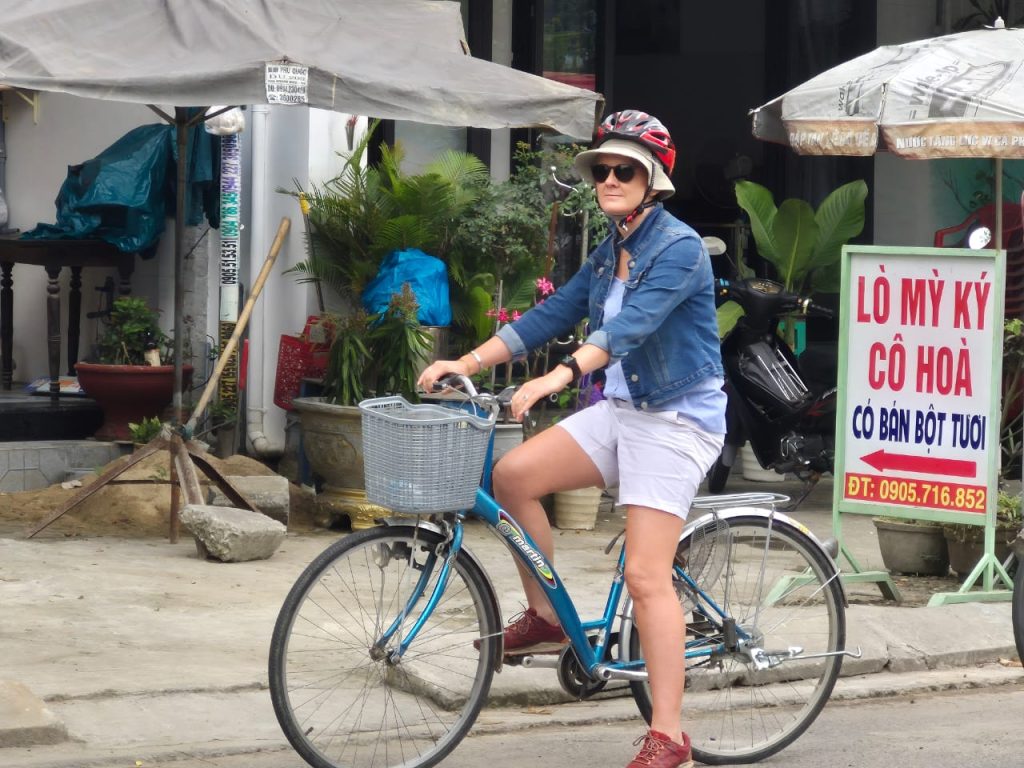
In Vietnam, I found myself relying on English more than I expected. Whether ordering delicious street food at a market in Da Nang or asking for directions in Hội An, there was almost always someone who spoke just enough English to bridge the gap. English is treated as a flexible tool for connection.
The Vietnamese ‘man on the street’ is very eager to engage in English. Menus, signs, and brochures are peppered with creative English, some humorous, some baffling, and all endearing—keen for some tasty “crap soup” or “boiled vegetable with hostel sauce”? The powers that be seem a little less receptive. I noticed many official-looking buildings adorned with what seemed like an essay in Chữ Quốc ngữ (modern Vietnamese script) indicating what went on inside, but there was seldom an English translation to be seen. Nonetheless, anyone you asked was happy to try to explain to you what the sign was about. As a visitor, I probably don’t need to know where Vietnam’s version of a Home Affairs office is anyway. At the end of the day, communication is happening. Meaning is getting through. That’s the heart of language, isn’t it?
Paris: the lingering resistance
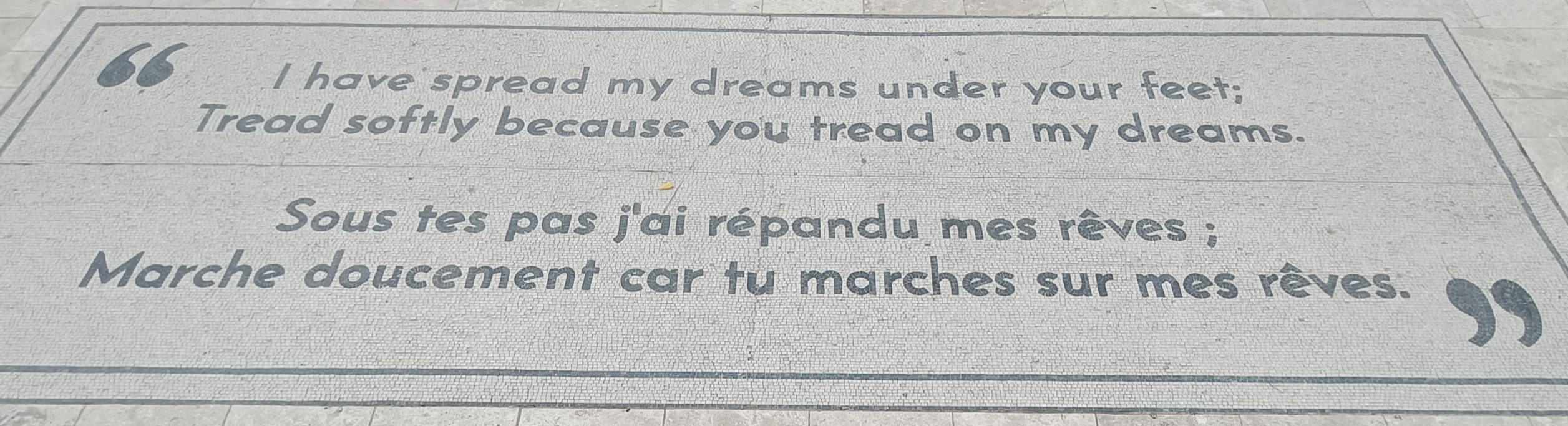
Paris, with its well-d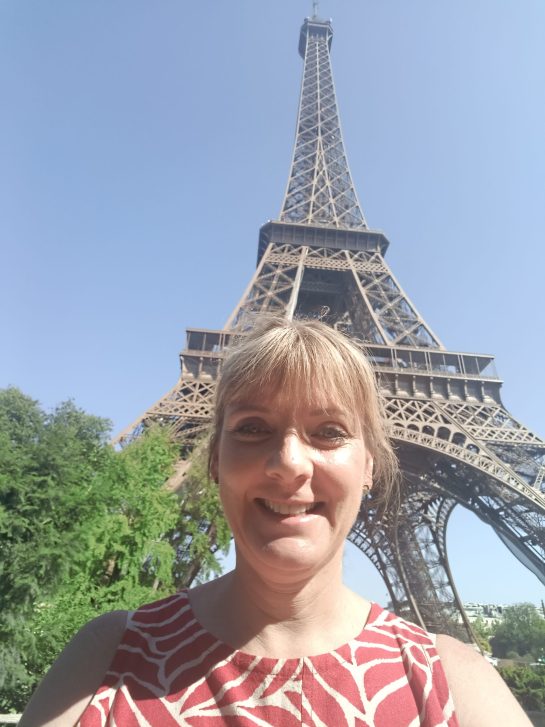 ocumented linguistic pride, offered a more layered relationship with English. Many locals speak English fluently; they are just such a cosmopolitan bunch. My Airbnb host, for example, is a born Parisian, but lives between Paris, New York, the Middle East and Mozambique, and speaks nine languages! Despite the global nature of the city, there is still a strong cultural preference for French. Wherever I went, upon hearing I am not French (which was obvious from my butchering of even the basics of the language of love), locals tried to teach me what little French the interaction allowed.
Parisian English is more of a performance—less about survival, and always delivered with charm. It is polished, curated, almost strategic. Either way, I experienced none of the antagonism towards English that I was told to expect. English in Paris isn’t resisted so much as negotiated.
Belgium: the multilingual middle ground
Belgium, which coincidentally is my place of birth, was perhaps the most linguistically fascinating stop. With Dutch, French, and German as official languages—and a deep tradition of multilingualism—English is embraced as a neutral meeting point. In Mechelen, my ‘home town’, almost everyone you meet can speak a little bit of English, albeit with an American accent, and are keen to give it a go even if you can speak their mother tongue. In Brugge, which is, admittedly, very touristy, I was blown away by the variety of languages spoken by the maître d’s at several restaurants. One of our servers even switched seamlessly between six languages in a matter of minutes. My South African brother-in-law was truly impressed when our waiter even managed some proper Afrikaans (not the Dutch version).
In Belgium, English felt less foreign, more integrated. Not dominant, but practical. And while I saw fewer linguistic hiccups than in Vietnam, I still spotted the occasional mistranslation or oddly charming phrasing. “Do not forget your umbrella friend” was a personal favourite.
So, what does thi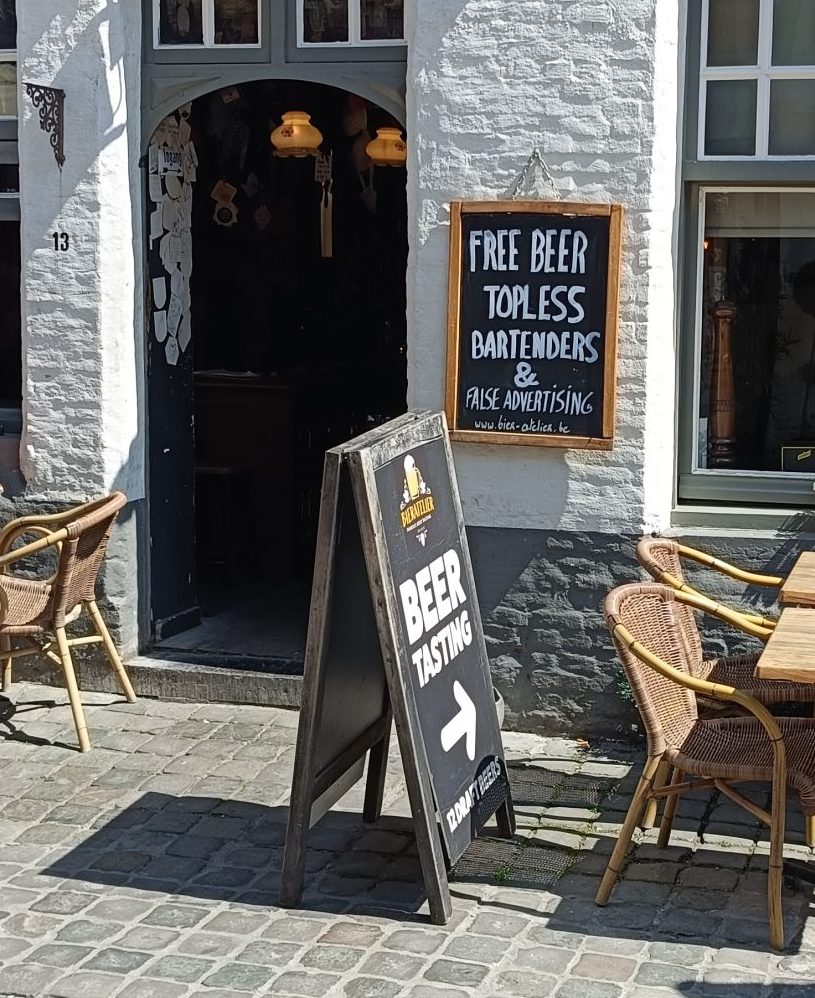 s mean for an English editor?
Travelling reminded me that English is a shared global language, not perfect or native, but understood. It’s a passport language. And while that brings opportunity, it also brings responsibility.
As copy editors, we are often the last stop before a piece of writing goes public. For clients who write in English as a second (or third, or fourth) language, our job isn’t just correction, it’s interpretation. It’s about preserving voice while ensuring clarity. It’s about understanding that behind every ‘awkward’ phrase may be a perfectly expressed idea in another language.
My travels didn’t just refresh my sense of wonder; they also reminded me why I do what I do. Language is messy, beautiful, and evolving. And English, wherever it travels, needs good stewards. Even if it’s just to make sure that your soup contains the crustacean you’re hoping for.
PS – I can also report that Belgium still has the best beer (and chocolate…I promise I’m not biased), Paris’ food is delectable, and Vietnam’s people are a treat for the soul! Of course, all three destinations are also historically rich and naturally beautiful.😊

Wow An, you literally took me on a travel trip of the tongue – linguistically and communicationally – if there is such a word. I think I fit into your Vietnamese experience of the English tongue, but I admit that I enjoy the language, am still learning and refining my skills on a daily basis and am happy to have a well versed and skilled friend who is always willing to help and advise.